
Understanding What Natural Supplements Are Made Of
A calm look at sources and ingredients for men and women
A calm look at sources and ingredients for men and women
When you choose to look at what goes into your body, you're making an informed decision. Understanding where supplements come from—whether from plants, minerals, or natural extracts—helps you feel more confident about what you're using. This isn't about fear or anxiety; it's simply about being aware. People who understand sources are often more mindful consumers, and that awareness itself is valuable.
Sources tell a story about your choices. They help you understand the difference between a simple plant powder and a complex combination, between everyday ingredients and more specialized additions. When you know where something comes from, you're better equipped to decide what fits your life.
↓ Unpack the concept further

These come from leaves, roots, seeds, berries, and other parts of plants. They've been used in different cultures for centuries and are often the most familiar to people starting to explore supplements.
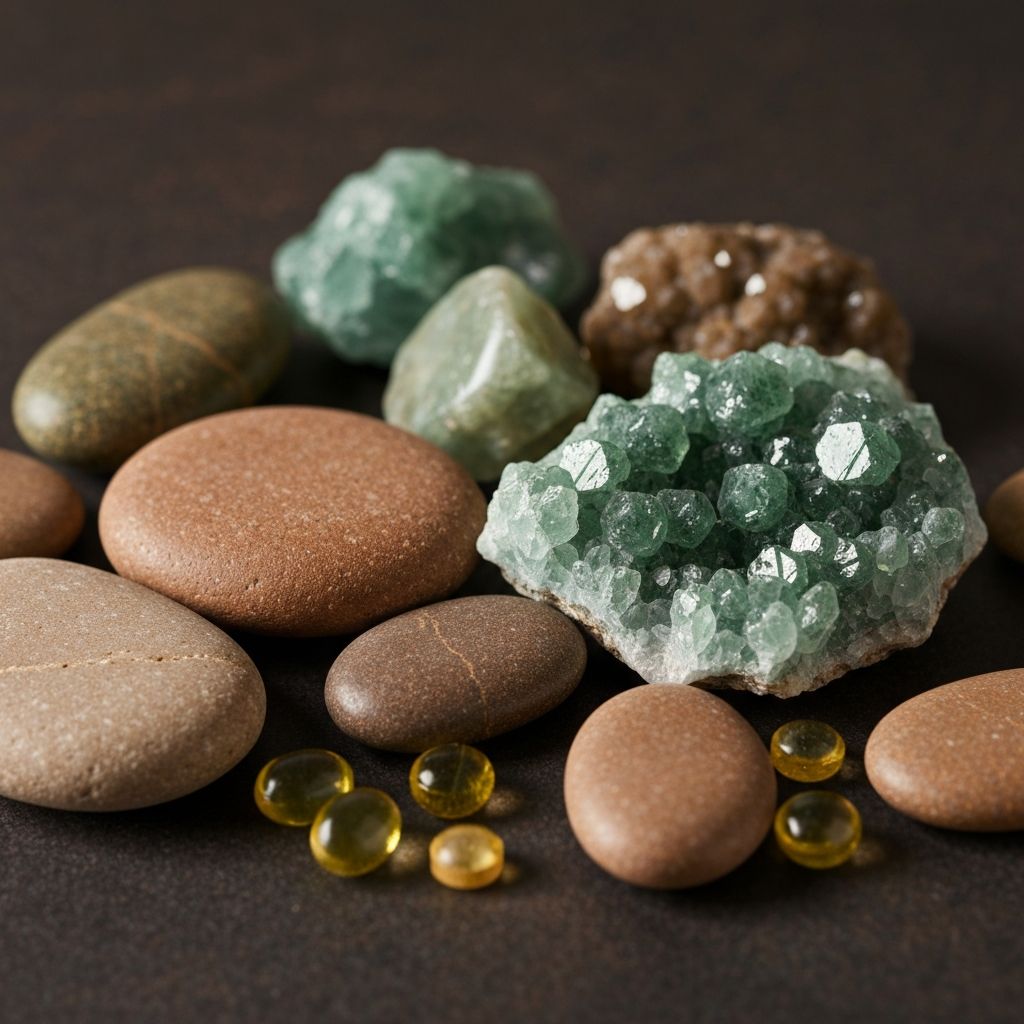
Minerals come from the earth—rocks, soil, water, and natural deposits. They're stable, well-researched, and form the foundation of many supplement routines across different age groups and lifestyles.

These are refined versions of plants or plant parts—the concentrated essence without unnecessary bulk. They're efficient and often used when you want a specific component in a smaller form.
Sometimes people choose one source and use it on its own. This is the simplest approach—you know exactly what you're taking, and it's easy to understand.
Other times, two or three complementary sources are combined together. These pairs or trios are designed to work well alongside each other in your routine.
Many people integrate one or two sources into their daily habits—morning or evening, with food or alone. It becomes as natural as having breakfast.
Sometimes supplements are used only during certain times—maybe in winter, or during high-stress periods. This flexible approach works well for many people.

Versatile and easy to mix into drinks or food. They often feel familiar and natural. The format doesn't determine quality—it's simply a delivery method.

Convenient, pre-portioned, and straightforward to use. Many people appreciate the simplicity—just take it and go. The capsule is just a container.

Absorption-friendly and easy to adjust the amount you take. Some people prefer liquids for the flexibility, while others find their routine simpler with solid forms.
Looking at an ingredient list doesn't have to be stressful. The ingredients are listed by weight, so the first few are the most prominent. Long names are often just the scientific way of saying familiar things. A simple approach: recognize what you know, understand it's there for a reason, and don't worry about ingredients you've never heard of—that's normal.
The goal isn't to understand everything immediately. It's to feel comfortable that what you're choosing is transparent and honest. Many people spend just a few seconds checking labels and then feel confident enough to make their choice. Over time, you'll recognize patterns and feel even more at ease.
↓ Dive deeper into the topic
Some people decide on one ingredient or source and build their routine around it. This focused approach can feel clear and manageable—you know what works for you.
Others like to have 2-4 ingredients working together. This balanced approach feels like it covers more ground without becoming overwhelming or complicated.
Many people prefer to take very little—sometimes just one source, sometimes only when they feel they need it. Less is often more, and simplicity is its own wisdom.

Taking more of something doesn't guarantee better results. Balance and consistency often matter far more than quantity. Your body works with what you give it, not against more you're taking more for the sake of it.
Real food—vegetables, fruits, proteins, whole grains—is always the foundation. Supplements are exactly what the name says: something to supplement, not to replace. They support, they don't substitute.
What works beautifully for one person might not be right for another. Your choices should reflect your life, your habits, your preferences, and your goals. There's no universal "right" answer.
Before making a decision about supplements, it can help to ask yourself a few reflective questions. These aren't yes-or-no questions—they're more like prompts to think about what feels right for you:
↓ Expand your understanding
Have questions about supplements? Want to explore the topic further? We're here to help with information and guidance from a nutritional perspective.